
What is the downside of epoxy flooring?
The downsides of epoxy flooring are that it depends heavily on surface preparation, can fail over moisture, may be slippery when wet, can scratch or chip under impact, and some types yellow in sunlight. Most of these problems are avoided by choosing the right system and installing it carefully.
Fully licensed and insured
Mon to Fri: 8:00am to 6:00pm · Saturday: 9:00am to 2:00pm · Sunday: Closed
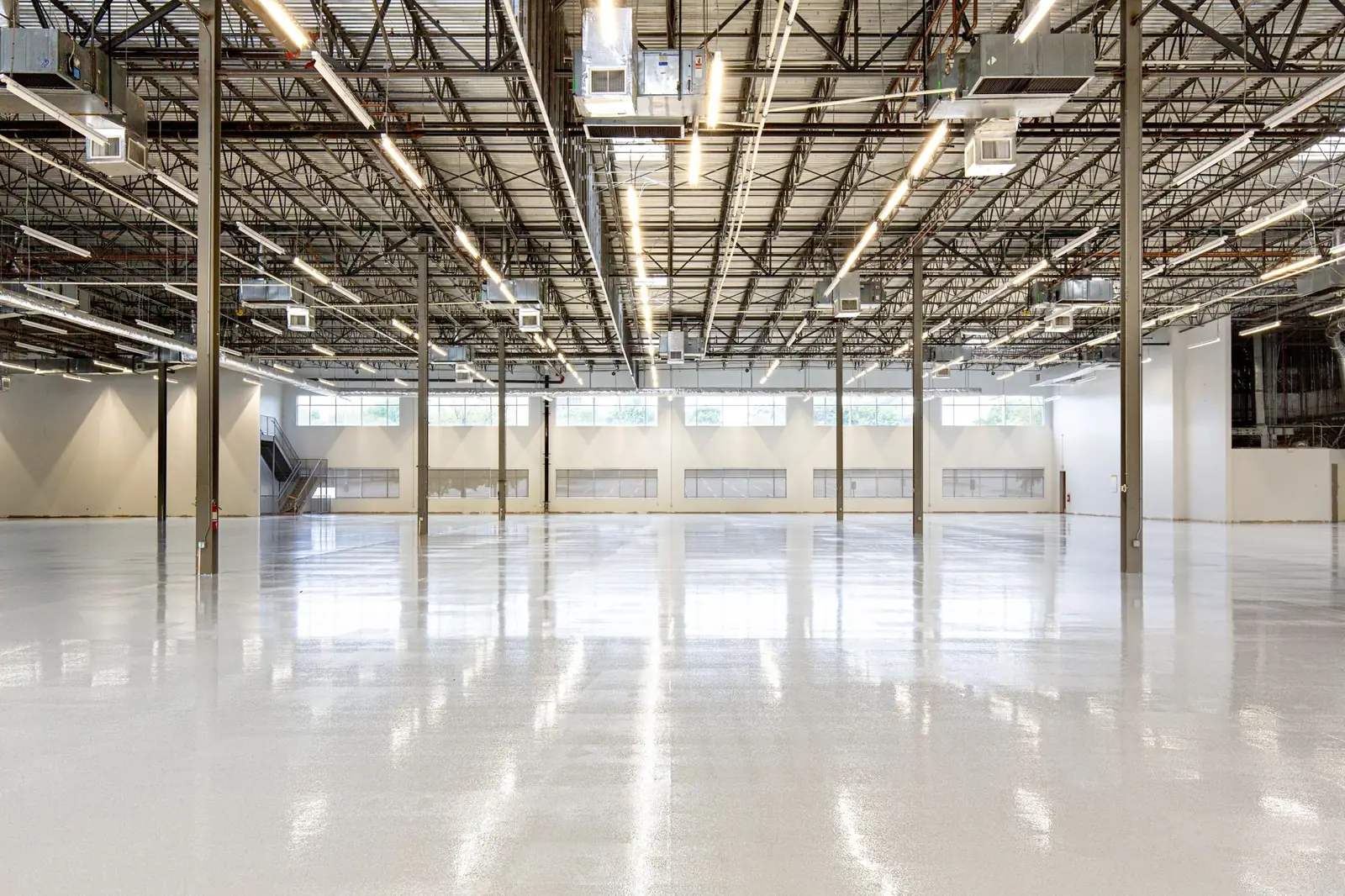
The real limitations
Each is manageable, and none is a reason to avoid epoxy where it suits the job.
- Preparation is everything: a poorly ground or contaminated slab leads to peeling
- Moisture vapour in the concrete can cause bubbles or delamination
- A glossy finish can be slippery when wet unless a texture is added
- Hard impacts can chip or scratch the surface
- Standard epoxy can yellow or chalk under direct sunlight
- Cure time means the area is out of use for a short period
- Repairs and recoats need planning to blend well
Why most failures trace back to the slab
Epoxy bonds to concrete. If the concrete is dusty, oily, sealed with an old coating or damp, the bond will not hold. Professional work starts with diamond grinding or shot blasting, crack and joint repair and a moisture check. That step costs time, but it is what separates a floor that lasts from one that peels in months. Our epoxy floor coatings page describes the process.
Slip resistance and safety
A smooth, glossy floor is attractive but slick when wet. For garages, loading areas and wet spaces, a broadcast aggregate or textured topcoat adds grip. The right level depends on use, so tell your installer where water, oil or foot traffic will be.
Sunlight and wear
Standard epoxies are not designed for direct UV, and they may amber over time near large windows or overhead doors. A polyaspartic or urethane topcoat resists yellowing and wear better, and it is commonly used over epoxy. Impact is another limit: dropped tools can chip any thin coating, and heavy rolling loads call for a thicker, reinforced system.
How to avoid the downsides
Choose the system for the use: thin for light traffic, thick or reinforced for industrial loads, flexible for parkades. Ask about moisture testing, surface preparation and what topcoat is used. Read what to expect for how a typical job runs, and our concrete floor page for slab problems.
Related questions
Can epoxy be repaired?
Yes. Small chips can be filled and recoated, and large areas can be sanded and recoated. Colour matching depends on age.
Is epoxy bad in cold climates?
No, but installation needs suitable temperatures, and a flexible system suits exterior or parkade slabs that move.
Do you offer free quotes?
Yes. Quotes are free, and we explain the system before you commit.
Request a quote
Tell us what you need and we will get back to you. In a hurry? Calling is fastest.
Planning an epoxy floor?
Call us for a free quote. We assess the slab, explain the system and give you a written scope.
Call now (416) 435-0754